
Why Your Makeup Looks Cakey (And How Skin Prep Fixes It)
Understand how prepping the skin before makeup application gives you a flawless finish.
MAKEUP
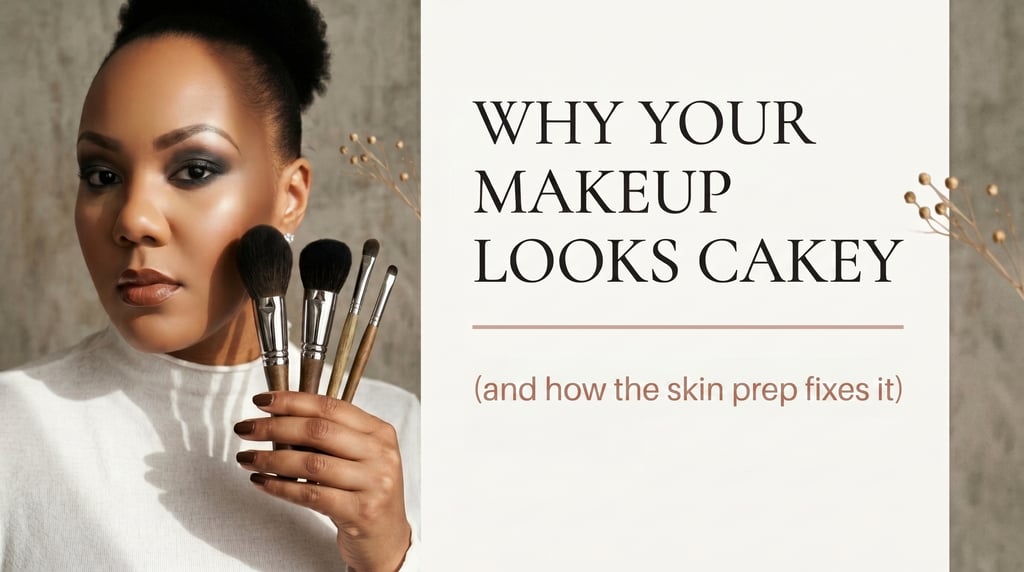
Understanding Cakey Makeup
Many individuals experience the frustration of cakey makeup, a condition where foundation appears heavy, uneven, or flaky on the skin. This phenomenon can be attributed to a combination of skin type, product choice, application techniques, and environmental factors, making it a widespread issue for many makeup enthusiasts.
One significant contributor to cakey appearance is the skin type of the individual. Oily skin can cause makeup to slide off or clump together, leading to an unflattering look. Conversely, dry skin may absorb foundation unevenly, resulting in visible patches. It is essential to identify one's skin type to select appropriate products and techniques that enhance the overall finish.
The quality and compatibility of makeup products also play a vital role in achieving a flawless appearance. Heavy formulations, such as full-coverage foundations, may enhance the risk of cakeiness if not suited for the skin type. On the other hand, lightweight, hydrating foundations may work wonders for those with dry or combination skin, allowing for better blending without settling into fine lines.
Proper application techniques are crucial in combating cakiness. Using tools such as beauty blenders or brushes can produce a more seamless finish, whereas applying thick layers may contribute to an uneven look. Moreover, the technique of layering products—applying in thin layers rather than one thick coat—can mitigate the risk of buildup, ensuring a smoother appearance.
Environmental factors, such as humidity and heat, can exacerbate the issue of cakey makeup by affecting its wearability throughout the day. Therefore, using setting sprays or powders can provide longevity while reducing the chances of makeup looking heavy. Understanding these components is essential for anyone aiming for a flawless makeup application.
The Importance of Skin Prep
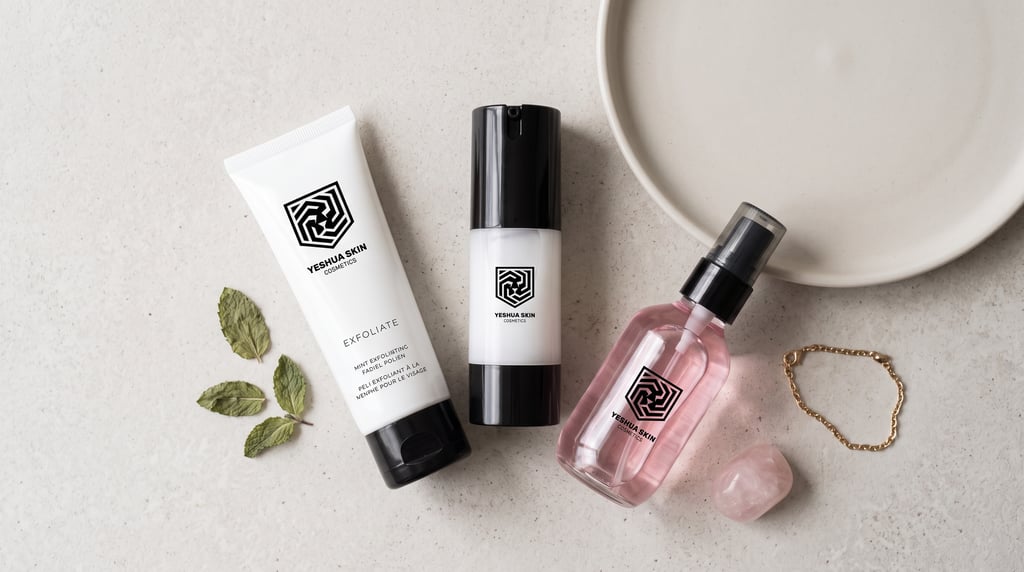
Achieving a flawless makeup finish heavily relies on the state of your skin prior to application. Skin prep is not merely an optional step; it is a fundamental aspect that can determine the success of your makeup look. The process begins with thorough cleansing, which eliminates dirt, oil, and impurities from the skin's surface. A clean canvas allows makeup to adhere better, reducing the likelihood of a cakey appearance.
Exfoliating is another critical step in skin preparation. Regular exfoliation helps to slough away dead skin cells, promoting a smoother texture. This is particularly important for those with dry or textured skin, as it can significantly improve makeup application and longevity. Incorporating gentle exfoliating products suitable for your skin type ensures that your complexion is revitalized without irritation.
Moisturizing further enhances skin prep by providing essential hydration. A well-moisturized face can help your foundation glide on more seamlessly, preventing patchiness and an uneven application. Selecting a moisturizer that complements your skin type—whether oily, dry, or combination—is vital in addressing specific skin concerns.
Finally, utilizing a primer before foundation is indispensable. Primers serve as a bridge between skincare and makeup; they smooth out imperfections and create an even base for foundation. A good primer fills in pores and fine lines, allowing for a smoother finish. Different types of primers target specific issues, such as excessive shine for oily skin or added hydration for dry skin.
In conclusion, proper skin prep is ultimately essential for achieving an impeccable makeup application. By incorporating effective cleansing, exfoliating, moisturizing, and priming into your routine, you can significantly decrease the chances of a cakey appearance and enhance the overall quality of your makeup look.
When it comes to achieving a flawless makeup look, selecting the right products is crucial, especially after preparing your skin. Different formulations of foundation—liquid, powder, and cream—each cater to various skin types and particular aesthetic preferences. Liquid foundations are typically ideal for normal to dry skin, providing a dewy finish that hydrates the skin throughout the day. In contrast, powder foundations can be more suitable for oily skin as they help to absorb excess oil, offering a matte effect that can effectively minimize shine. Cream foundations, on the other hand, provide excellent coverage and are beneficial for those seeking a more luminous finish.
Equally important is the aspect of color-matching your foundation to your skin tone. A misaligned shade can easily lead to a cakey appearance, as an unblended foundation will highlight imperfections rather than camouflage them. It is critical to test different shades before purchasing, by applying a small amount on your jawline to observe how well it blends with your natural skin tone. Additionally, consider the undertones of the foundation; warm, cool, or neutral undertones can significantly affect how the makeup harmonizes with your skin.
Furthermore, paying attention to the ingredients in your makeup products can enhance skin compatibility. Look for formulations that include skincare ingredients such as hyaluronic acid, aloe vera, or glycerin, which can provide hydration and promote a smoother appearance. Foundations with a lightweight texture and good pigmentation will not only help you achieve a more natural look but also work harmoniously with your skin prep routine. By selecting the right foundation tailored to your skin type and ensuring proper color-matching, you will significantly reduce the chances of a cakey finish, enhancing your overall makeup application.
Techniques for a Flawless Finish
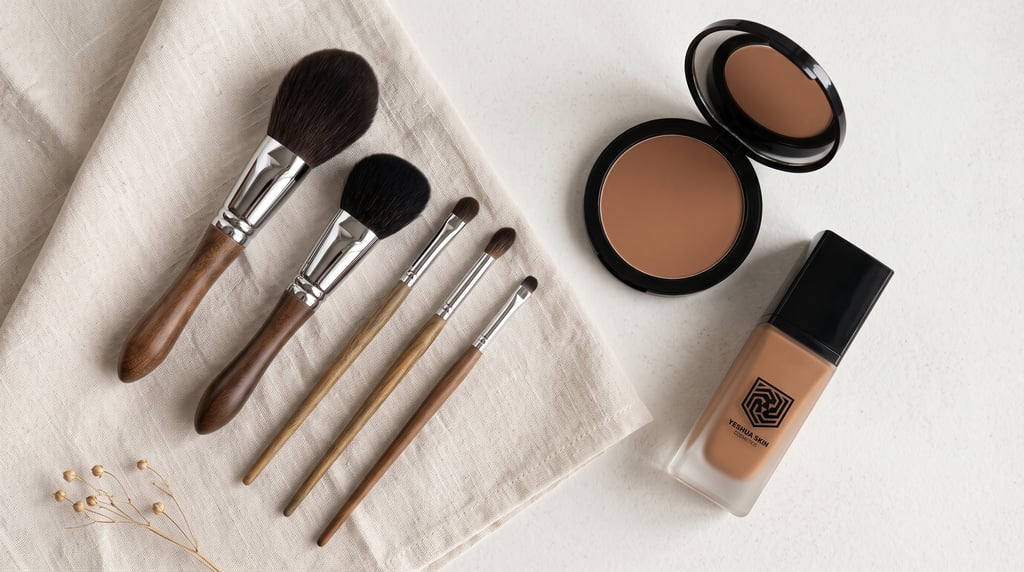
Achieving a flawless makeup finish is significantly influenced by the application techniques employed. Understanding the right tools, layering methods, and the importance of blending can help mitigate the appearance of cakey makeup.
One of the primary tools for makeup application is the brush. Different brushes serve various purposes, and selecting the appropriate one for each product is crucial. For instance, thick foundation brushes can leave streaks and lead to uneven coverage, while synthetic flat brushes are excellent for applying cream products smoothly. Similarly, soft, fluffy brushes work well for powders, allowing for a light application that reduces the risk of product build-up.
In addition to brushes, makeup sponges have gained popularity due to their ability to seamlessly blend products into the skin. When using a sponge, it is beneficial to dampen it slightly before application. This technique not only helps in achieving a more natural finish but also prevents excessive product absorption, minimizing the likelihood of a cakey appearance.
Layering is another critical technique in makeup application. Applying products in thin layers allows for better control of coverage. It is advisable to start with a light layer and gradually build up, if necessary, to avoid overwhelming the skin with heavy products. Allowing each layer to set before applying the next one further ensures that the makeup adheres properly and does not clump.
Moreover, blending is paramount in achieving a seamless look. Using circular or stippling motions with a brush or sponge can help meld the makeup into the skin. Paying attention to blending around the edges, particularly at the jawline and hairline, can make a significant difference in the overall appearance.
Lastly, throughout the day, touch-ups can be necessary, especially as skin type influences makeup wear time. Carrying a lightweight setting powder or a mist can effectively combat shine and refresh the makeup without adding layers of product, thus preventing caking as skin naturally adjusts.
Ready to experience the difference a skin-first application makes? Book The Sculpt & Glow Session here.
Artistry designed for natural light and high-definition lenses.
RESERVE A DATE
inquiries@yeshuaskin.ca
Mississauga, Ontario
By appointment only
© 2026 Wright Artistry - Artistry designed for natural light and high-definition lenses.
Home